
Problem: Why Change Feels So Hard
Have you ever felt lost, uncertain, or afraid during life’s changes? Adapting to life’s challenges can be hard, but therapeutic gardening shows us how plants teach us to adapt to change and how we can attain personal growth through nature.
Just like a garden thrives through the seasons, plants show us how to adapt and grow through life’s changes. In this blog post, we will also explore why adapting to change can feel difficult.
We also share therapeutic gardening exercises grounded in mindfulness. These small meditation garden ideas will help you navigate life’s transitions with resilience and calm
Why Adapting to Change Is Hard
Nature is deeply connected to personal growth. For instance, therapeutic gardening shows us how plants adapt and provides lessons that help us handle change in our own lives. Just like humans, plants face unexpected obstacles such as harsh weather, pests, or disease. Yet, they adapt and continue to grow.
Change can be hard because it often disrupts our comfort zones. Humans are wired to find peace in familiarity, so losing it can trigger stress and anxiety.

Major life changes, like moving to a new country or transitioning from college to work, can feel overwhelming. The uncertainty that comes with change can make us hesitant, insecure, and unsure of ourselves.
Fear of the unknown can lead to overthinking. Will I adapt to the new environment? Will people like me? Am I good enough? These questions can hold us back from embracing change.
Learning from Nature and Gardening
Nature shows us that change isn’t something to fear—it’s the foundation of growth.
A garden is never free from challenges. Harsh weather, invasive pests, and sudden plant diseases can threaten growth at any moment. These obstacles mirror the struggles we face in life—unexpected events, setbacks, and losses that disrupt our plans.
Yet, plants do not give up. They bend with the wind, grow around barriers, and heal when conditions improve. In the same way, we can learn to accept difficulties as part of life. That’s how therapeutic gardening helps us heal—by showing us that growth is possible even after setbacks.
Change is not something to be afraid of, because it is in the process of adapting to change that we evolve. Sometimes change arrives as a blessing in disguise.
It pushes us to try harder and become more flexible. It teaches patience, builds resilience, and reminds us that true growth often comes through struggle.
How Plants Teach Us to Adapt To Change
Resilience in the Face of Obstacles
“Plants are the ultimate survivors, adapting to the changing world around them with grace and resilience.” — Daniel Chamovitz

Resilience is the ability to adapt, recover, and grow stronger in the face of stress, challenges, or setbacks, using inner strengths and learned skills to maintain well-being and move forward despite difficulties.
Gardening teaches us how plants survive adversity. Their persistence and flexibility inspire us to adapt to life’s challenges with resilience. We too can remain grounded and thrive amid life’s changing seasons. This is why therapeutic gardening is so powerful: it mirrors resilience and renewal in our own lives.
Whenever you feel the pressure of life’s challenges, take a walk in nature. Observe plants, trees, and flowers around you. Imagine yourself as the lotus, rising from muddy waters to bloom with beauty and strength.
Let the resilience of plants inspire you. Bend without breaking. Adapt without losing your essence. Keep growing no matter what obstacles appear in your path.
Patience and Personal Growth
“A garden requires patient labor and attention. Plants do not grow merely to satisfy ambitions or to fulfill good intentions. They thrive because someone expends effort on them.” — Liberty Hyde Bailey
Gardening with mindfulness can connect you to nature while gently fostering personal growth. Small meditations in the garden can help you adapt to change at your own pace. True personal growth is a process. It cannot be rushed.
A seed lies in the soil, dark and hidden, waiting for the right time to sprout. Its growth is quiet but powerful.
In life, growth also requires patience. It’s not just about waiting—it’s about how we handle challenges. It’s about practicing self-compassion. It’s about doing the inner work; reflecting and learning from our experiences.
Adapting to change can feel heavy. But by practicing patience, we give ourselves time to grow. We adapt, learn, and emerge stronger. By simply observing how plants teach us to adapt to change, we learn to become patient and resilient.
Flexibility
“The human capacity for burden is like bamboo – far more flexible than you’d ever believe at first glance.“
— Jodi Picoult, My Sister’s Keeper
Plants, like bamboo, demonstrate how flexibility leads to survival. When faced with strong winds or heavy rains, they sway and bend, absorbing the impact without snapping. Similarly, in life, our capacity to adapt to change determines our resilience.
Being flexible can help us navigate challenges with grace and resilience. Instead of resisting change, we can learn to bend and adjust, finding new paths and solutions. This mindset not only helps us overcome obstacles but also fosters personal growth.
Mindfulness Exercises for Adapting Through Gardening
Mindful gardening is the practice of engaging with your garden in a slow, intentional, and fully present way—focusing on the sights, sounds, smells, and sensations of nature while letting go of distractions—so that gardening becomes both a form of care for plants and a practice of calmness, clarity, and self-awareness. It becomes a form of therapeutic gardening.
Mindfulness and Gardening: The Transplant Metaphor
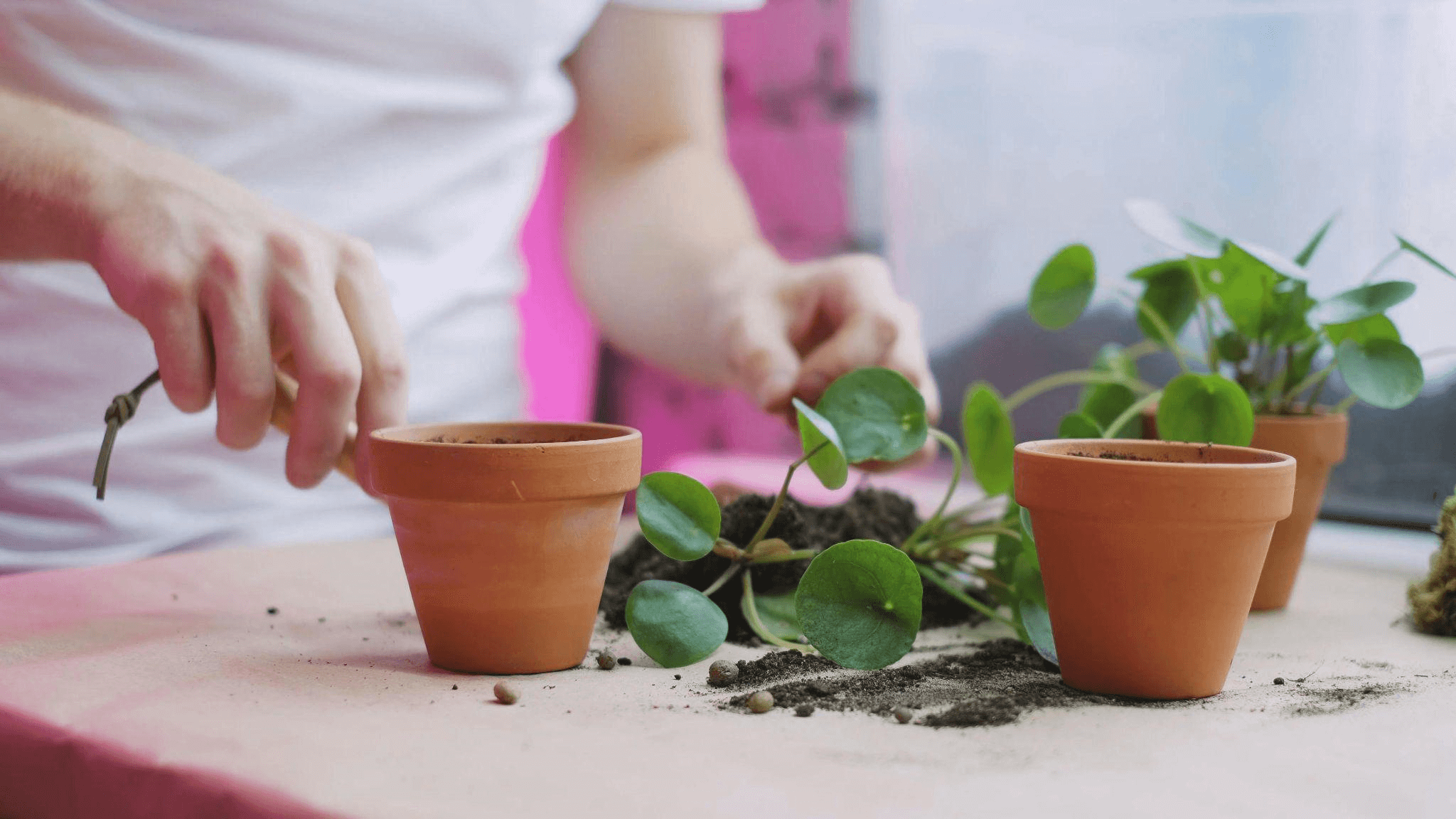
This exercise is a practical way to enhance personal growth through gardening while learning to adapt to life’s changes.
- Choose a Plant – Select a small plant that needs repotting. Reflect on an area of your life that also needs change or growth.
- Prepare the New Pot – Add fresh soil to a new pot. Think about the mindset or environment you need to thrive. Visualize it clearly. How does it feel? What does it look like?
- Transplant the Plant – Gently move the plant into the new pot. Cover its roots carefully. As you do this, imagine how you can transition smoothly into your new situation. Consider the inner resources you need to feel supported.
- Nurture and Observe – Care for the plant as it adjusts. Watch how it grows and thrives. Reflect on how you can also adapt, grow, and succeed through this change in your life.
Mindfulness and Gardening: Reflecting on Past Experiences
Reflecting on past experiences in your garden can nurture personal growth and show us how plants teach us to adapt to change. Here’s how:
- Choose a Plant or Tree – Select a plant in your garden or a potted plant at home. Consider it as a representation of your life or personal growth.
- Recall Past Seasons – Think about past changes in your life, like a new job, moving to a new home, or learning a new skill. Imagine these changes as seasons the plant has experienced.
- Observe Adaptation – Notice how the plant adjusted to sunlight, water, or soil changes. Reflect on how you adapted to life changes. Did you resist or grow stronger?
- Harvest Insights – As the plant thrives in its environment, identify the lessons you gained from your own adaptability. What helped you grow? What could you do differently next time?
- Plant a Seed of Intention – Write down one new habit, mindset, or goal that will help you handle future changes. Just as a gardener tends new seedlings, nurture this intention daily.
This exercise helps you connect with nature while reflecting on personal growth. Like plants, we can learn to adapt, grow, and thrive through life’s changes.
Applying Gardening Lessons to Your Life
Just like a garden thrives through the seasons, we can learn to adapt and grow through life’s changes. Observing plants teaches us resilience, patience, and flexibility—qualities that help us navigate challenges with grace.
By practicing mindfulness while gardening, reflecting on past experiences, and embracing change as part of life, we nurture personal growth and develop the ability to thrive no matter what obstacles appear. These small meditation garden ideas expressed in this blog post can create peaceful spaces that help you pause, reflect, and strengthen your resilience.
Therapeutic gardening reminds us that growth is a process. Each challenge, like each season, is an opportunity to strengthen our roots, expand our potential, and bloom fully in our own time. In this way, gardening beautifully illustrates how plants teach us to adapt to change, offering lessons in patience, resilience, and renewal.
🌱 Don’t miss out! Join our newsletter today and get exclusive tips, updates, and resources straight to your inbox.